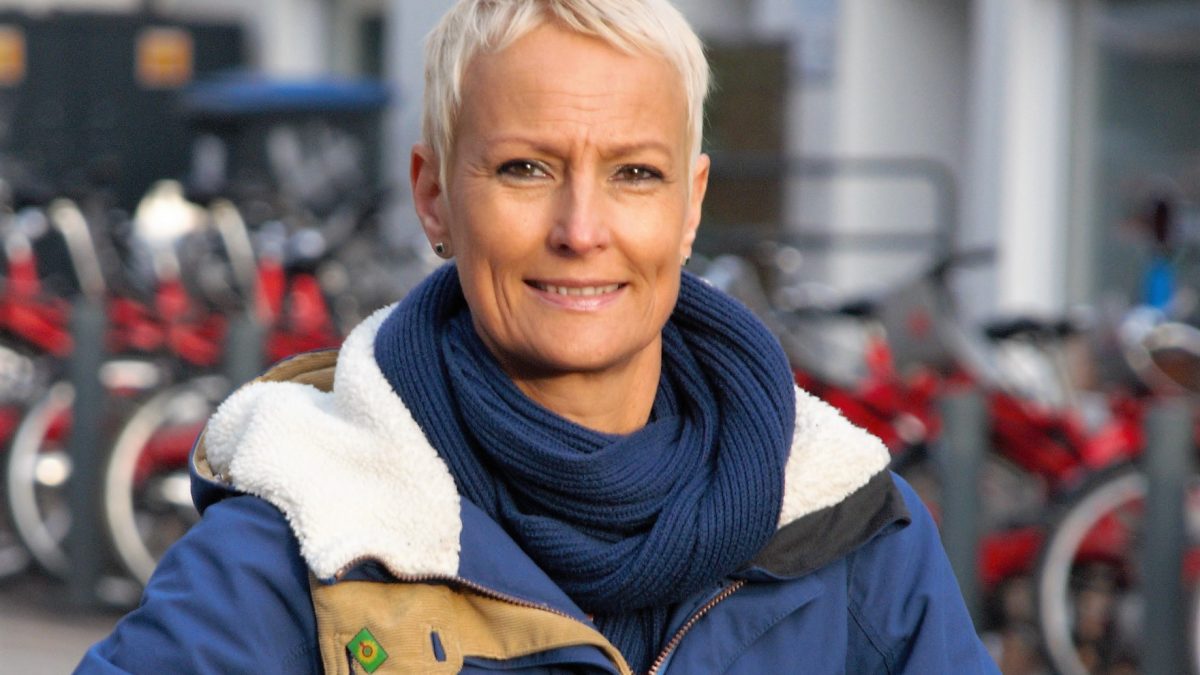
© Stefanie von Berg
Der Kampf gegen den Shitstorm und digitale Gewalt
Hamburg/ Berlin, 20.07.2023 (eig). “Meine Familie und ich wurden in den Sozialen Medien und per E-Mail bedroht, ich habe Gewaltphantasien erhalten, ich habe Morddrohungen erhalten, ich wurde auf der Straße beschimpft und als dieses alte Falschzitat jetzt wieder in den Sozialen Medien auftauchte, sagte ich mir: nicht noch einmal! Ich wandte mich an HateAid, um mir Rat zu holen.”
Stefanie von Berg ist schon vor acht Jahren durch die Shitstrom-Hölle gegangen. Sie musste erleben, wie sich der pure Hass, der im Internet seinen Anfang nahm, aufschaukelte, in wüste Beleidigungen mündete, und ihr schließlich auch auf der Straße und im echten Leben begegnete. Anlass dafür war ein Zitat, das ihr nach einer Debatte in der Hamburger Bürgerschaft über Bildungspolitik in den Mund gelegt wurde: “Es ist gut so, dass wir Deutsche bald in der Minderheit sind”, verbreitet als sogenanntes “Sharepic”, einem Bild von der Grünen-Politikerin, versehen mit eben diesem falschen Zitat.
In einer aufgeregten Debatte um Zuwanderung war das schon im November 2015 reines Benzin in das Feuer der Kritiker offener Migrationspolitik. Dabei hatte die heutige Bezirksamtschefin des Bezirksamtes Hamburg-Altona in einer Debatte über Bildungspolitik in der Hamburger Bürgerschaft lediglich eine erwartete demographische Entwicklung beschrieben. Sie sagte: “Ich bin der Auffassung, dass wir in 20, 30 Jahren gar keine ethnischen Mehrheiten mehr haben in unserer Stadt” und das für gut befunden. Ihre Äußerung ist im Zusammenhang mit der Notwendigkeit gefallen, dass auch Schulpolitik sich auf solche geänderten Bedingungen einstellen muss. Für die damalige AfD-Fraktion in der Hansestadt war dies Anlass genug, ihre Rede bei Youtube und Facebook mit dem Bemerken öffentlich zu machen, die Grünen-Politikerin lasse ihre Maske fallen. Daraus entstand dann durch Unbekannte das Sharepic mit dem Falschzitat - und die Hasswelle nahm ihren Lauf. Damals unternahm die Grünen-Politikerin auf Anraten ihres Medien-Anwalts nichts. Der winkte ab, es sei nichts zu machen.
Als nun im Juni dieses Jahres das Sharepic mit dem Falschzitat bei Twitter erneut seine Runden drehte, wurde Stefanie von Berg wieder persönlich angegangen. Diesmal wehrte sie den Anfängen und wandte sich an HateAid.
HateAid ist eine gemeinnützige GmbH und berät und unterstützt Betroffene von Online-Hass und digitaler Gewalt. Die Berliner Organisation stellte den Kontakt zu RKA Rechtsanwälte her. Die Hamburger Anwälte schrieben Twitter an, übermittelten eine Liste von über 70 Accounts, die Falschzitat und Foto verbreiteten und forderten zur Löschung auf - mit Erfolg. Keine vier Wochen später entfernte Twitter die Postings und der Spuk war erst einmal vorbei.
“Twitter haftet für verbreitete Inhalte, wenn die Plattform Kenntnis von Rechtsverstößen erlangt”, erklärt Nikolai Klute, Rechtsanwalt von Stefanie von Berg die schnelle Reaktion,, "wird das Unternehmen dann nicht tätig, gerät es selbst in die Gefahr der Haftung”. Noch besser: Weiß die Plattform um Rechtsverstöße, muss sie auch künftig dafür sorgen, dass das Sharepic nicht erneut verbreitet wird.
“Haftungsansprüche bestehen gegenüber jenen, die mit der Verbreitung der Aufnahme und des falschen Zitats die Persönlichkeitsrechte unserer Mandantin verletzen“, so Rechtsanwalt Klute, “und ganz besonders gegenüber jenen, die das Ganze dann auch noch genüßlich mit Schmähungen und Formalbeleidigungen versehen.”
RKA Rechtsanwälte hat deswegen Strafanzeigen wegen des Verdachts der Verleumdung, übler Nachrede oder Beleidigung gegen Accountinhaber gestellt, die das Sharepic verbreitet haben. Den Strafanzeigen folgt dann die Durchsetzung zivilrechtlicher Ansprüche, die - je nach Schwere der Persönlichkeitsrechtsverletzung - auch Geldentschädigungen in bis zu vierstelliger Höhe nach sich ziehen können. Ein teures Unterfangen für diejenigen, die sich an der Hetze im Internet beteiligen.
“Mit meinem Vorgehen möchte ich denjenigen Mut geben, die sich ausgeliefert, machtlos und allein fühlen”, erklärt Stefanie von Berg. Opfer digitaler Gewalt sind nicht allein. Organisationen wie HateAid sind politisch aktiv, um die Situation der Betroffenen zu verbessern, sie klären auf, geben Rat, bieten eine gute psychologische Unterstützung an und empfehlen Anwälte, die im Medienrecht versiert sind und effektiv unterstützen.